
How Silicone Labels Perform in Washing, Heat Pressing, and Outdoor Use
As apparel brands place greater emphasis on product durability and long-term performance, silicone labels have become a preferred solution across sportswear, workwear, and outdoor apparel markets. Unlike traditional PVC or printed logos, silicone labels are designed to withstand harsh conditions without compromising appearance or comfort.
This article explores how silicone labels perform during washing, heat pressing, and outdoor use, and why manufacturers increasingly rely on advanced production equipment to ensure consistent quality.

Performance in Repeated Washing
Frequent washing is one of the biggest challenges for garment labels. Traditional PVC labels may harden, crack, or lose adhesion over time, while printed logos often fade after repeated wash cycles.
Silicone labels, by contrast, maintain excellent elasticity and color stability even after dozens of washes. Their flexible structure allows them to move naturally with the fabric, reducing stress at the edges.
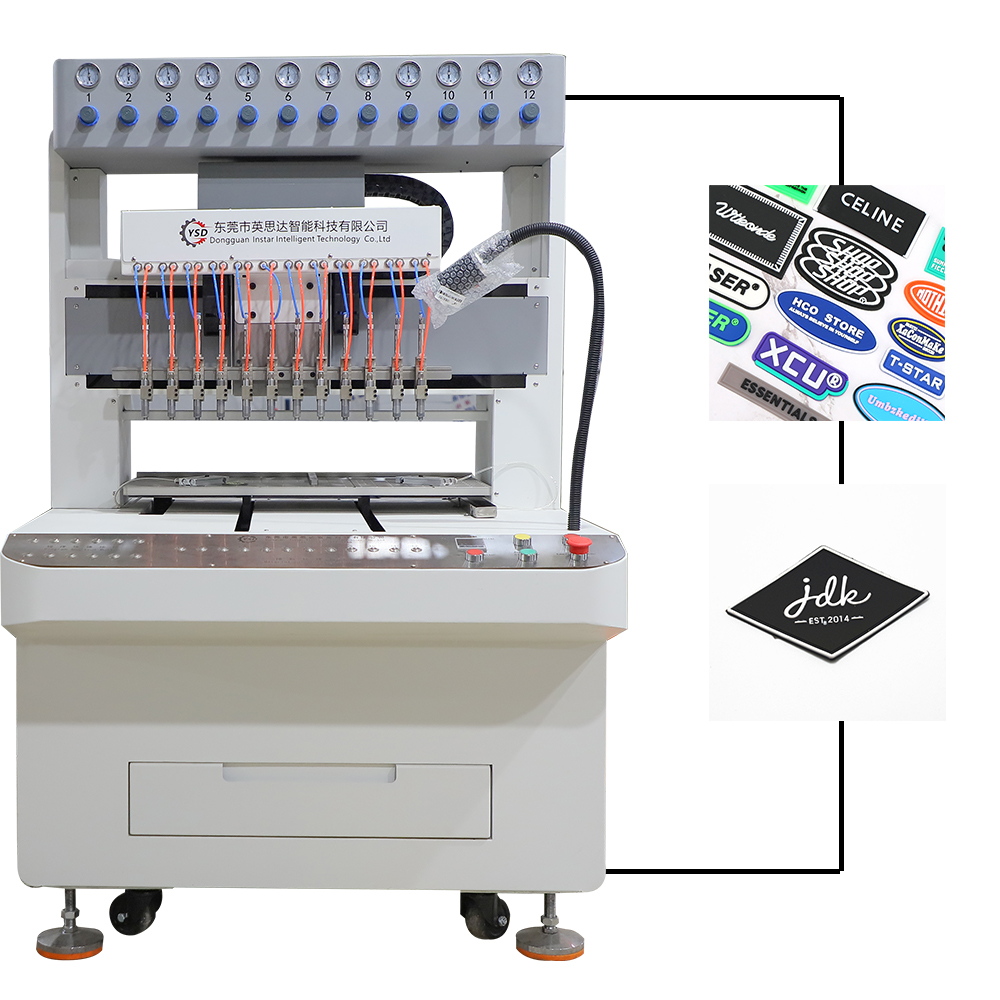
When produced using a professional silicone badge making machine, silicone material is dispensed with precise thickness control. This ensures uniform structure and strong bonding performance, directly improving wash resistance.
Stability During Heat Pressing
Heat pressing is a critical step in applying silicone labels to garments. Improper temperature or pressure can damage both the label and the fabric. Silicone materials, however, are inherently heat-resistant and perform reliably under controlled heat transfer conditions.
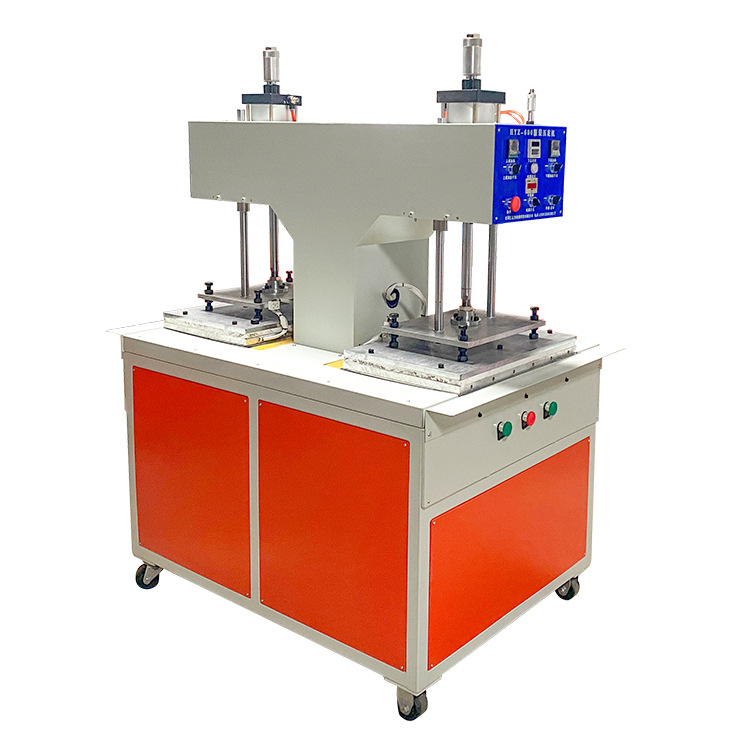
When applied using a properly calibrated heat press machine for clothes, silicone labels achieve strong adhesion without scorching the fabric or deforming the logo. Unlike PVC materials, silicone does not become brittle after heat exposure and maintains a soft, premium feel on the finished garment.
Durability in Outdoor Environments
Outdoor use introduces additional challenges such as UV exposure, moisture, temperature fluctuations, and abrasion. PVC labels often discolor or lose flexibility under prolonged sunlight, while printed graphics may peel or fade.
Silicone labels are highly resistant to UV rays, water, and environmental aging. Their chemical stability allows them to retain shape and color even in demanding outdoor conditions. This makes them especially suitable for hiking gear, work uniforms, sports equipment, and waterproof apparel.
The use of high-quality silicone badge molds during production also plays an important role in outdoor performance. Precision molds ensure clean edges and consistent thickness, reducing weak points that could otherwise lead to peeling or cracking over time.
Why Production Equipment Matters
The performance of silicone labels is not determined by material alone. Equipment accuracy and process control are equally important.
A modern silicone label production workflow typically combines a silicone badge making machine with high-precision silicone badge molds, followed by controlled heat pressing. This integrated approach ensures that each label meets the durability standards required for washing, heat application, and outdoor exposure.
Manufacturers that invest in reliable equipment are better positioned to deliver consistent quality, reduce defect rates, and meet the expectations of global apparel brands.
Conclusion
Silicone labels have proven their performance advantages in real-world applications, from repeated washing and heat pressing to long-term outdoor use. Their flexibility, heat resistance, and environmental stability make them a future-ready branding solution for modern apparel manufacturing.
With the support of advanced equipment such as silicone badge making machines, precision silicone badge molds, and professional heat press machines for clothes, factories can produce silicone labels that not only look premium but also perform reliably throughout the entire lifecycle of the garment.