
How Different Silicone Label Thicknesses Affect Equipment Parameter Requirements
As the apparel accessories market continues to evolve, silicone labels have become increasingly popular among sportswear, outdoor clothing, and fashion brands. Their softness, durability, and strong three-dimensional appearance make them a preferred choice. However, in actual production, different silicone label thicknesses require different equipment parameter settings. Improper adjustments can easily lead to issues such as overflow, deformation, bubbles, or weak adhesion.

1. Impact of Label Thickness on Dispensing Equipment
In the early stage of silicone label production, dispensing is a critical process that directly affects appearance quality. For thin silicone labels, typically ranging from 0.5 to 0.8 mm, precise control of dispensing volume and stability is essential. High-accuracy silicon dispensing machines are required to ensure consistent pressure and uniform material output. Excessive dispensing may cause edge spreading, while insufficient dispensing can result in broken lines or uneven thickness.
For medium to thick silicone labels (1.0 mm and above), higher dispensing volume and faster dispensing speed are usually needed. In this case, machine repeatability and long-term operational stability become especially important to maintain consistent results throughout production.

2. Parameter Requirements for Molding with Different Thicknesses
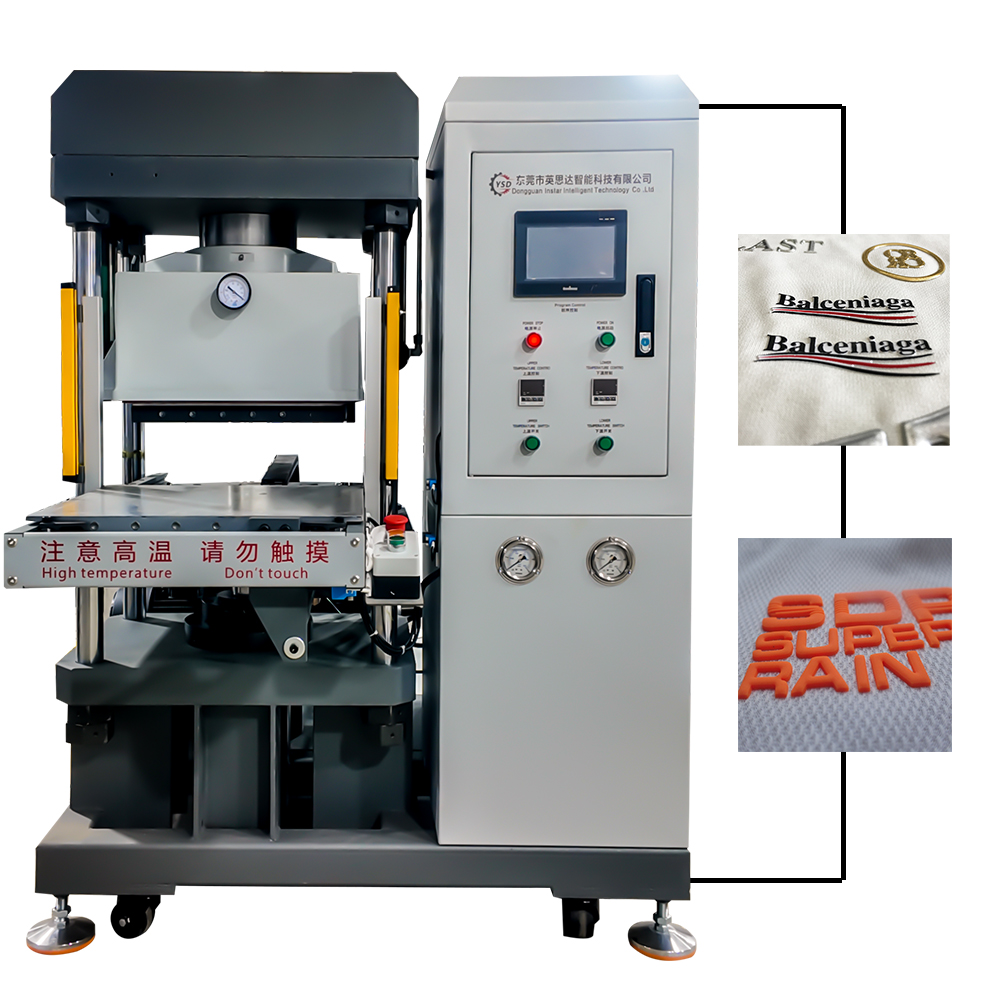
During the molding process, the silicone drip mold machine plays a key role in shaping the silicone label. Thin labels generally require lower molding pressure and more precise mold alignment to prevent distortion or loss of fine details. Excessive pressure at this stage may cause deformation or blurred patterns.
Thicker silicone labels, on the other hand, require increased molding pressure and longer holding time to ensure the silicone fully fills the mold cavity. Proper parameter adjustment helps reduce internal air gaps and minimizes the risk of bubbles, resulting in stronger and more uniform label structures.
3. Influence of Thickness on Heat Press Parameters
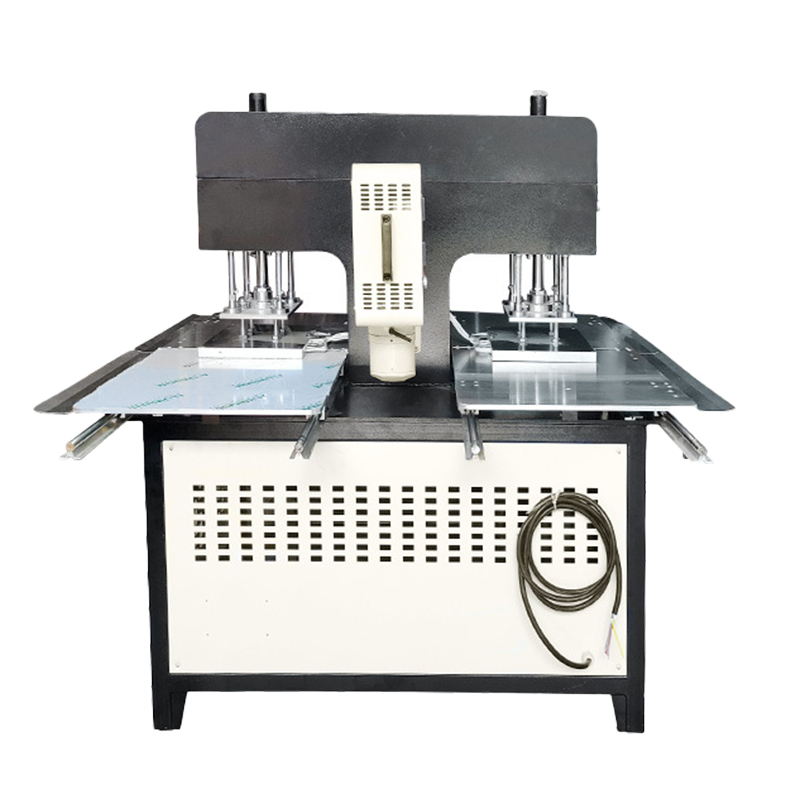
When transferring silicone labels onto garments, the settings of the heat press machine for clothes directly affect bonding strength and durability. Thin silicone labels typically require lower pressure and shorter pressing time to avoid fabric damage or unwanted press marks.
Thicker silicone labels, with their enhanced three-dimensional effect, usually need higher and more stable pressure, along with longer heat press duration. This ensures complete adhesion between the silicone layer and the fabric surface, improving wash resistance and overall product longevity.
4. Importance of Proper Parameter Matching
From dispensing and molding to heat pressing, silicone labels of different thicknesses place distinct demands on equipment parameters. By carefully adjusting silicon dispensing machines, silicone drip mold machine, and heat press machine for clothes, manufacturers can significantly improve product consistency, reduce defect rates, and minimize material waste.
For factories aiming to achieve stable mass production and high-quality output, understanding how silicone label thickness affects equipment settings is a crucial step toward optimizing the entire production process.