
Why Raw Materials Must Be Vacuum Processed Before Producing PVC and Silicone Products
In the manufacturing of PVC and silicone products, many manufacturers focus heavily on dispensing accuracy, molding techniques, or curing processes. However, one critical step is often underestimated—the vacuum processing of raw materials before production. In reality, whether raw materials are properly vacuum mixed has a direct impact on product appearance, structural integrity, and overall quality stability.
This is where the vacuum mixing tank plays a vital role, especially when handling high-viscosity materials such as PVC and silicone.
Where Do Air Bubbles in Raw Materials Come From?
During the preparation and mixing of PVC or silicone compounds, air is almost inevitably introduced. Common sources include:
- Air trapped in raw materials during storage and transportation
- Microbubbles formed when pigments and additives are blended with base materials
- Air drawn into the compound during mechanical stirring
If these bubbles are not removed at the early stage, they will remain inside the material during dispensing, molding, or pressing, eventually causing defects such as pinholes, voids, surface bulging, or internal cracking.
The Core Purpose of Vacuum Processing: Bubble Removal
The main function of vacuum processing is to eliminate these trapped air bubbles.
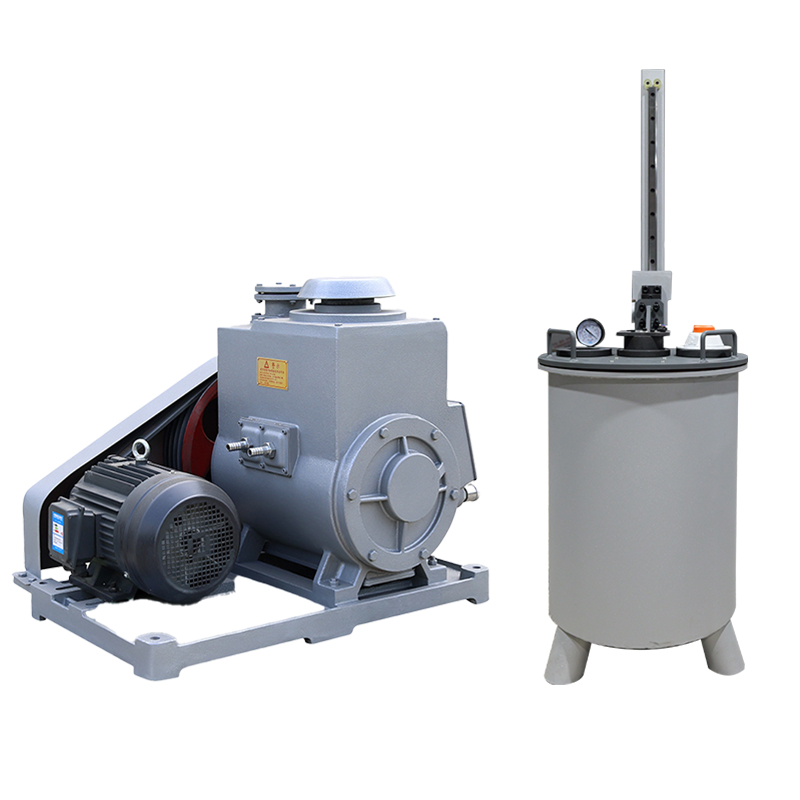
A pvc vacuum mixer operates in a sealed environment where materials are mixed while air is continuously extracted. This process allows bubbles to escape efficiently, resulting in a denser and more uniform material structure.
After vacuum mixing, raw materials offer several advantages in downstream production:
- Smoother material flow during dispensing
- Cleaner surfaces with fewer pinholes
- Reduced expansion and bubbling during heating or curing
- More consistent product quality across batches
For this reason, vacuum mixers have become standard equipment in many PVC production lines.
Why a Standard Mixer Cannot Replace a Vacuum Mixer
Some manufacturers attempt to reduce initial investment by using a conventional pvc raw material mixer or a basic raw material mixer without vacuum capability. While these machines can blend materials, they fail to address the crucial issue of air removal.
Visually, the material may appear well mixed, but microbubbles remain trapped inside. These hidden defects often appear only after curing or molding, leading to higher rejection rates and unnecessary material waste.
In contrast, a vacuum mixer combines uniform mixing and effective degassing in a single process, making it far more suitable for high-quality PVC and silicone production.
The Importance of Vacuum Mixing in Silicone Product Manufacturing
Vacuum processing is equally critical in silicone product manufacturing. Products such as silicone labels, patches, and logos are often extremely thin, typically between 0.5 and 1 mm. At this thickness, even minimal air retention can cause visible defects.
Using a vacuum-equipped raw material mixer ensures that silicone compounds remain bubble-free before dispensing, allowing precision equipment to perform at its full potential.
Conclusion: Vacuum Processing Is a Necessity, Not an Option
In both PVC and silicone manufacturing, vacuum processing of raw materials is not an optional step—it is a fundamental requirement for quality production. By investing in a reliable pvc vacuum mixer or a high-performance pvc raw material mixer, manufacturers can significantly reduce defect rates, improve production efficiency, and achieve more stable large-scale output.
For factories aiming to produce consistent, high-quality PVC and silicone products, vacuum mixing technology is an essential foundation for long-term success.