
How to Avoid Bubbles in Silicone Label Production
In the production of silicone labels, bubble defects are one of the most common and most serious quality issues faced by manufacturers. Any visible bubbles on the surface or inside a silicone label indicate that the product does not meet quality standards and must be classified as defective. As silicone labels are widely used in apparel, footwear, bags, and accessories, the market now demands higher consistency and flawless appearance. As a result, how to effectively prevent bubbles during production has become a key topic across the industry.
Main Causes of Bubble Formation
Bubble formation in silicone labels is usually related to materials, equipment performance, process parameters, and operational details. First, if the silicone material is not mixed evenly or air is introduced during the mixing process, bubbles may remain trapped inside the material. These bubbles often appear during curing or after the label is fully formed.
Second, mold conditions also play an important role. Dust, oil residue, or poorly designed venting structures can prevent air from being discharged smoothly. In addition, improper parameter settings during dispensing and transfer—such as excessive dispensing speed, unstable glue output, or inaccurate temperature control—can significantly increase the risk of bubbles.
Equipment Stability Plays a Critical Role
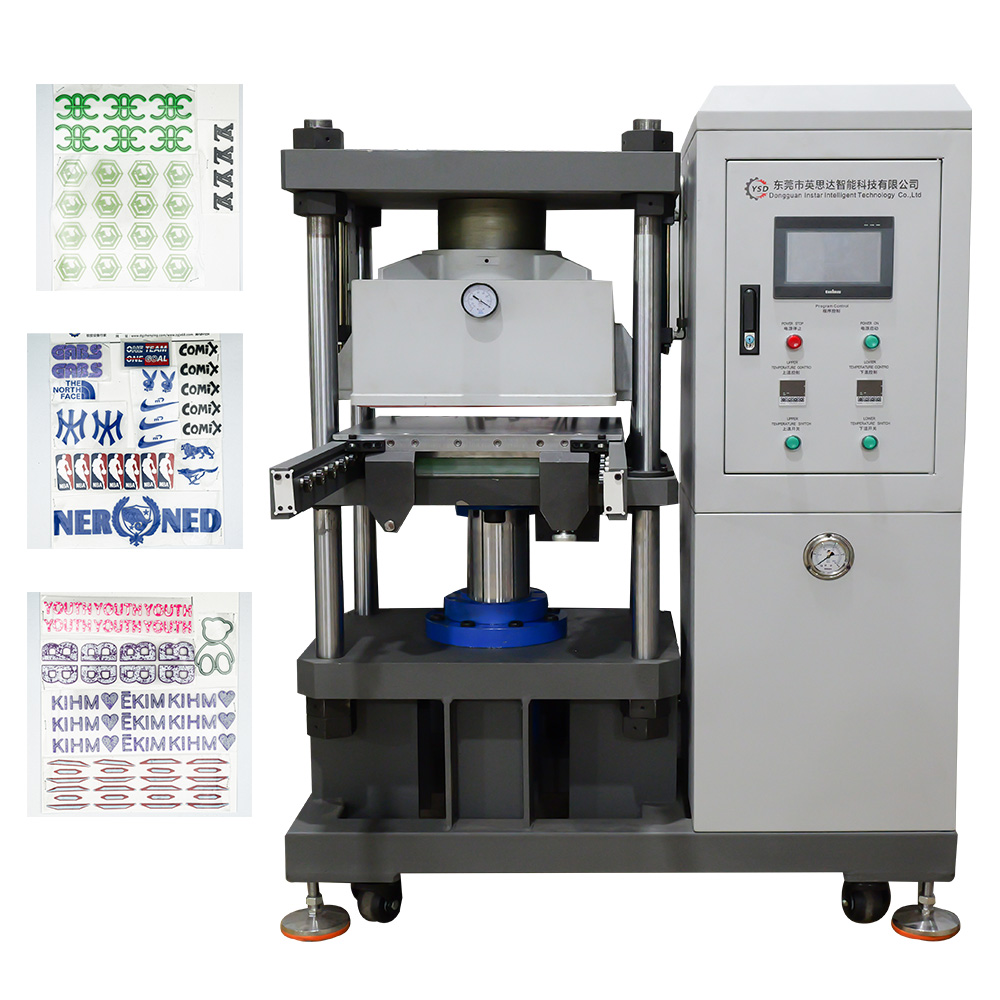
Modern silicone label production relies heavily on automated machinery to ensure consistency and precision. A high-performance silicone transfer label machine helps maintain uniform pressure and stable temperature during the transfer process. This allows the silicone to flow evenly within the mold and release trapped air more effectively, greatly reducing internal bubbles.
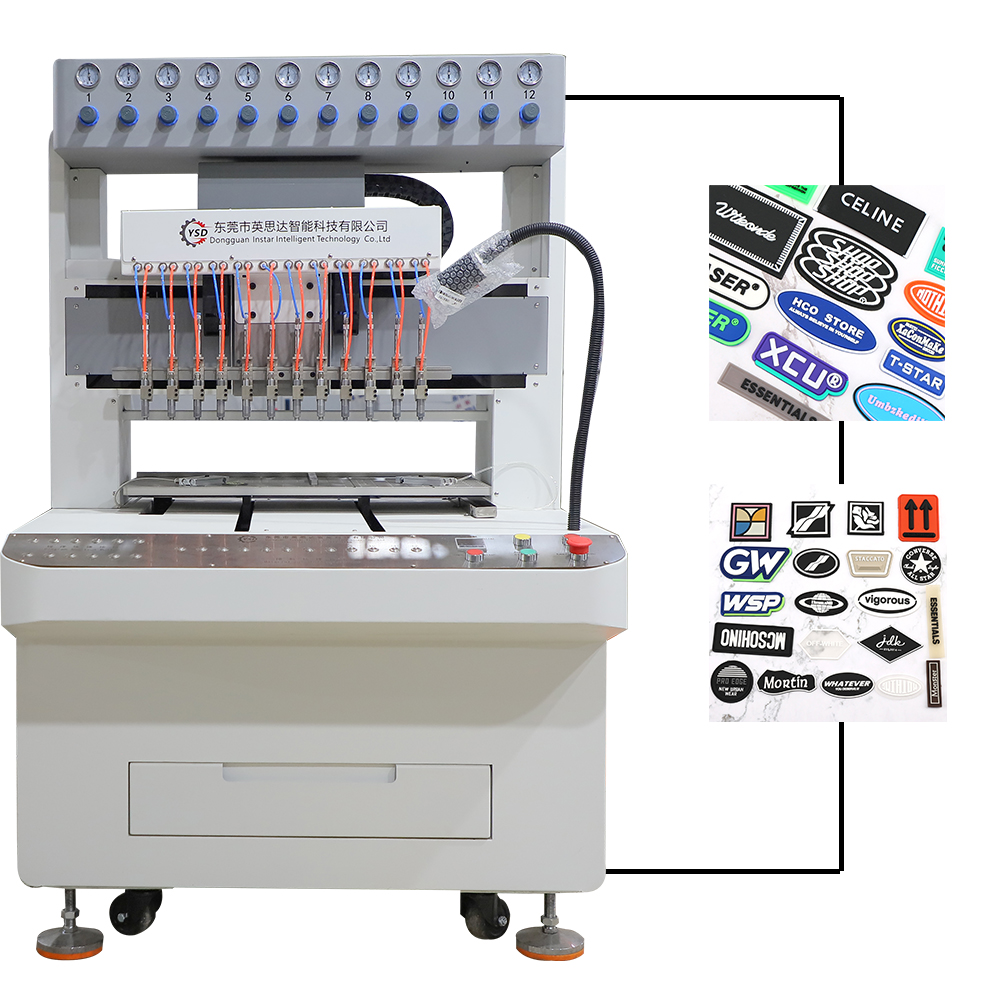
At the dispensing stage, the silicone drip mold machine is especially important. By precisely controlling dispensing speed, glue volume, and needle height, silicone can be injected smoothly into fine mold details without turbulence or interruptions that may trap air. Compared with manual dispensing, automated machines provide superior repeatability and accuracy, which is essential for bubble prevention.
Process Control Determines Final Quality
Beyond machinery, process control is another decisive factor. When using a silicone patch machine for forming and curing, the heating curve must be carefully adjusted. A gradual and stable temperature increase allows air inside the silicone to escape before solidification. If the temperature rises too quickly, trapped air can be sealed inside the product, resulting in irreversible bubble defects.
In addition, the production environment should not be overlooked. A clean workshop with stable temperature and low humidity helps minimize contamination and ensures smooth silicone flow. Proper environmental control further reduces the likelihood of bubbles during production.
Conclusion
In silicone label manufacturing, bubbles are not just cosmetic flaws—they represent unstable quality and reduced product reliability. By selecting suitable automated equipment, optimizing dispensing and transfer processes, and strictly controlling raw materials and environmental conditions, manufacturers can significantly lower defect rates and improve overall yield.
As silicone labels continue to gain popularity in premium and functional applications, stable production, high precision, and low defect rates will become the industry standard. Companies that effectively address bubble issues will gain a strong competitive advantage by delivering consistent, high-quality silicone labels to the global market.